
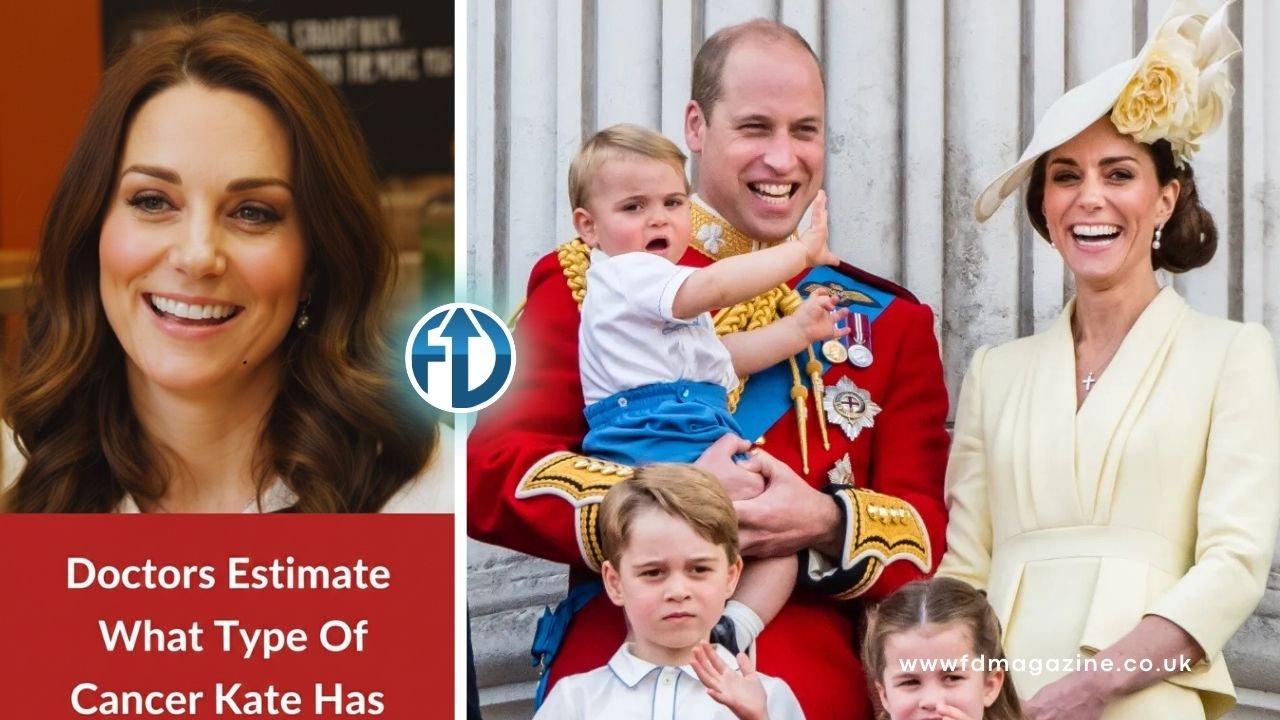
When the Princess of Wales, Kate Middleton, publicly revealed that she was undergoing cancer treatment, the announcement resonated far beyond royal circles. As one of the most admired figures of the modern British monarchy, her absence from public life had already sparked months of speculation. However, when Kate chose to speak directly to the public through a calm yet emotional message, the conversation shifted from curiosity to compassion. Across the world, people asked the same question: What type of cancer does Kate Middleton have? Yet, as the story unfolded, it became clear that this was not simply a medical update—it was a deeply human moment that highlighted family strength, privacy, and resilience at the highest level of public life.
Quick Bio Table of Kate Middleton
| Field | Details |
|---|---|
| Full Name | Catherine Elizabeth Middleton |
| Known As | Kate Middleton |
| Royal Title | Princess of Wales |
| Date of Birth | January 9, 1982 |
| Birthplace | Reading, Berkshire, England |
| Nationality | British |
| Spouse | Prince William, Prince of Wales |
| Marriage Year | 2011 |
| Children | Prince George, Princess Charlotte, Prince Louis |
| Role | Senior Member of the British Royal Family |
| Known For | Charity work, public service, mental health advocacy |
| Health Update | Undergoing preventive chemotherapy |
| Current Status | Temporarily stepped back from royal duties |
A Global Moment That Stopped the News Cycle
The announcement regarding Kate Middleton’s health marked a rare pause in the constant news cycle. Media outlets, political leaders, celebrities, and ordinary citizens reacted almost simultaneously. In a world accustomed to fast-moving headlines, this story invited stillness, empathy, and reflection. For many, it felt personal—even intimate—despite involving one of the world’s most famous families.
Unlike traditional palace statements, Kate’s own message carried emotional clarity. She did not dramatize her illness, nor did she minimize it. Instead, she spoke with composure, honesty, and grace, reminding audiences that serious illness does not discriminate, even within royal walls.
The Events Leading Up to Kate Middleton’s Diagnosis
Before addressing what type of cancer Kate Middleton has, it is essential to understand the timeline. In early 2024, Kensington Palace announced that the Princess of Wales had undergone major abdominal surgery. At the time, officials stated that the procedure was successful and not cancer-related.
Following surgery, Kate was expected to remain out of the public eye while recovering. As weeks turned into months, speculation grew. Despite mounting pressure, the palace maintained silence, choosing medical privacy over public reassurance.
Later, post-operative testing revealed the presence of cancer, prompting doctors to recommend preventive chemotherapy.
What Type of Cancer Does Kate Middleton Have?
The most important confirmed fact is this: the specific type of cancer has not been publicly disclosed.
Kensington Palace and the royal family have deliberately chosen not to share further medical details. No official statement identifies the cancer type, its stage, or long-term prognosis. Any claims circulating online naming a specific cancer remain unverified.
This decision reflects a conscious boundary—transparency without intrusion.
Why the Royal Family Chose Medical Privacy
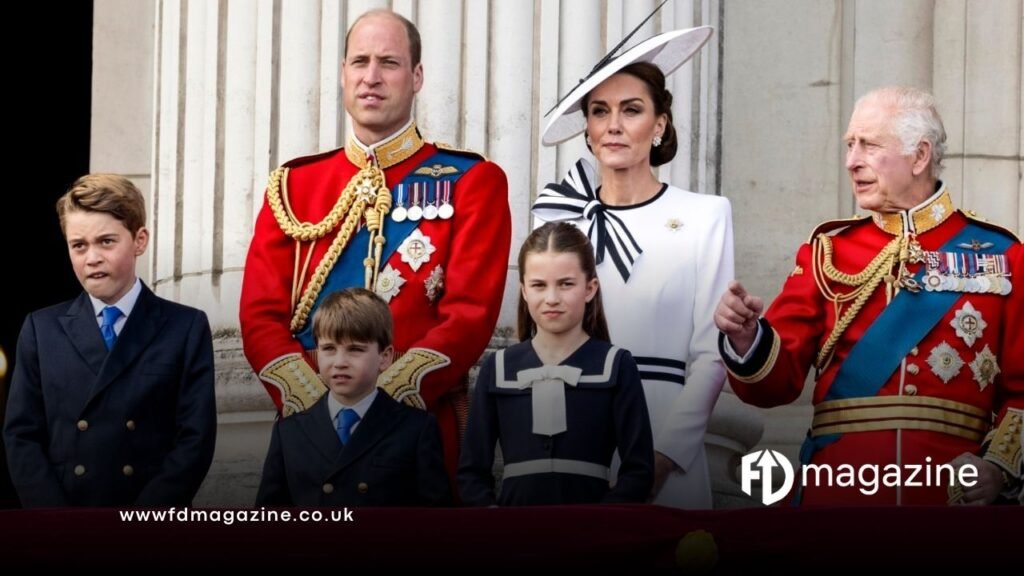
Medical privacy is a fundamental right, regardless of status. For Kate Middleton and Prince William, this choice was deeply tied to protecting their children and maintaining emotional stability within their household.
Health professionals widely agree that reducing stress plays a critical role in recovery. By limiting speculation and avoiding unnecessary details, the family prioritized healing over headlines.
Royal commentators have noted that this approach aligns with modern expectations around dignity, mental health, and responsible communication.
Understanding Preventive Chemotherapy
Kate Middleton described her treatment as preventive chemotherapy, a term that sparked confusion among the public. Preventive chemotherapy is often recommended when doctors believe treatment can significantly reduce the risk of cancer returning after surgery.
This approach does not necessarily indicate advanced illness. In many cases, it reflects early detection and proactive care. Medical experts emphasize that preventive treatment can greatly improve long-term outcomes.
Kate’s wording reassured many patients worldwide who are undergoing similar therapies.
Prince William’s Emotional Family Truth
Rather than focusing on medical specifics, Prince William shared something far more revealing—the emotional reality of supporting his wife while protecting their children. He acknowledged the difficulty of explaining illness to young family members while maintaining reassurance and normalcy.
His message highlighted vulnerability, partnership, and the shared burden of illness within families. For many observers, this honesty humanized the monarchy in a profound way.
William’s actions—reducing public engagements and remaining visibly present—spoke louder than words.
How the Royal Children Are Being Supported
Prince George, Princess Charlotte, and Prince Louis remain central to every decision. Kate and William confirmed that they explained the situation to their children in an age-appropriate and gentle manner.
Child development experts praised this approach, noting that honesty combined with reassurance fosters emotional security. Maintaining routine, school life, and family time became top priorities.
This careful handling demonstrated responsible parenting under extraordinary circumstances.
Public Reaction and Worldwide Support
Support poured in from across the globe within hours of Kate’s announcement. World leaders, cancer charities, fellow royals, and public figures expressed solidarity. Millions of messages flooded social media, emphasizing empathy rather than curiosity.
Cancer support organizations applauded Kate’s decision to speak openly, noting its potential to raise awareness without compromising privacy.
The response revealed her unique emotional connection with the public.
Media Responsibility and Ethical Coverage
Unlike previous royal health stories, much of the media exercised restraint. Major outlets focused on verified information, avoiding speculation about the type of cancer Kate Middleton has.
Journalism experts cited this coverage as a positive example of ethical reporting, particularly when health and family are involved.
The palace’s clear messaging played a key role in guiding responsible narratives.
Why Speculation Can Be Harmful
Health speculation may appear harmless, but experts warn that it can increase emotional distress for patients and families. In Kate’s case, unfounded rumors created unnecessary pressure before her announcement.
Doctors emphasize that each cancer diagnosis is unique, and labels alone do not define outcomes. Kate’s choice redirected attention toward recovery rather than diagnosis.
Balancing Royal Duty With Personal Health
For decades, royal duty often overshadowed personal well-being. Kate Middleton’s temporary withdrawal from public engagements signaled an important shift.
The palace confirmed she would return to work only when medically advised. This decision reinforced a modern message: health must come before obligation.
Many public figures cited this moment as an example of responsible leadership.
The Monarchy in a Human Light
Kate’s announcement stripped away formality, revealing a family navigating fear, hope, and resilience. The monarchy, often viewed as distant, appeared deeply relatable.
Public trust grew not through spectacle, but through honesty and restraint. This moment may redefine how future royal health matters are addressed.
Why This Story Resonates Worldwide
Cancer affects millions of families globally. Kate Middleton’s experience mirrors the quiet strength displayed by countless individuals facing similar battles away from the spotlight.
Her message offered solidarity rather than sympathy, reminding patients they are not alone.
Privacy as a Form of Strength
In the digital age, privacy is often mistaken for secrecy. Kate’s approach reframed privacy as protection—a necessary element of healing.
This stance may influence how public figures handle health disclosures in the future.
Long-Term Outlook and Recovery Focus
Medical experts stress that early detection and preventive care often lead to positive outcomes. While Kate’s treatment continues, the emphasis remains on rest, recovery, and family stability.
The palace confirmed that updates would be shared only when appropriate.
Public Trust and Future Engagements
Kate Middleton’s relationship with the public has long been built on authenticity. This moment reinforced that trust rather than weakening it.
When she eventually returns to public duties, her presence is likely to carry even deeper meaning.
Frequently Asked Questions
What type of cancer does Kate Middleton have?
The specific cancer type has not been publicly disclosed.
Is Kate Middleton still receiving treatment?
Yes, she confirmed she is undergoing preventive chemotherapy.
Did Prince William reveal medical details?
No, he focused on emotional support and family well-being.
Why are details being kept private?
To protect medical privacy and support recovery.
When will Kate return to royal duties?
Only when doctors advise it is safe to do so.
VISIT MORE: FD MAGAZINE