

Digital learning tools have transformed how students interact with educational content. As classrooms evolve, educators increasingly adopt interactive platforms to support engagement and comprehension. Within this context, classroom 30x games have emerged as a widely discussed category of browser-based activities used in learning environments. Rather than focusing solely on entertainment, these games often serve as short cognitive breaks or skill-reinforcement tools. Consequently, they support attention management, problem-solving, and engagement when used responsibly. Moreover, their accessibility through standard web browsers makes them convenient for schools with limited resources. Therefore, understanding how these games fit into modern education helps educators and students use them effectively and ethically.
What Classroom 30X Games Refer To
The term classroom 30x games typically describes a collection of lightweight online games accessible through educational or unblocked platforms. These games are designed to load quickly and function on low-spec devices. As a result, they are commonly used during short breaks or structured free time. Importantly, they are not formal curriculum tools. Instead, they act as supplementary activities that support focus reset and mental stimulation. Furthermore, the “30x” label often refers to accessibility and compatibility rather than difficulty or level. Therefore, understanding this definition prevents confusion about their purpose in academic settings.
Why Digital Games Appear in Educational Environments
Digital games appear in classrooms because learning is not limited to lectures and textbooks. In fact, cognitive science shows that short mental breaks improve retention. Consequently, teachers integrate simple interactive activities to reduce fatigue. Additionally, game-based environments encourage exploration, logic, and quick decision-making. As a result, students often return to structured tasks with improved concentration. However, balance remains essential. Games serve best as complements, not replacements, for core instruction. Therefore, their presence reflects evolving pedagogical strategies rather than a shift away from academics.
Educational Psychology Behind Game-Based Engagement
From a psychological perspective, games activate reward systems that reinforce attention. When students engage in goal-oriented play, dopamine responses improve motivation. Moreover, low-pressure challenges reduce anxiety associated with formal assessments. As a result, learners feel more comfortable experimenting and problem-solving. Importantly, games used in classrooms often avoid competitive stress. Instead, they promote individual pacing and curiosity. Therefore, the psychological appeal of classroom-based games lies in engagement rather than distraction.
Accessibility and Device Compatibility
One key reason these games gain popularity is accessibility. Most platforms function directly in web browsers without downloads. Consequently, schools do not need advanced hardware or administrative permissions. Additionally, compatibility across laptops, tablets, and desktops ensures equitable access. This inclusivity supports classrooms with mixed technology environments. Furthermore, quick load times minimize disruption. Therefore, accessibility remains a defining characteristic of these educational game collections.
Distinction Between Educational Games and Curriculum Tools
It is important to distinguish between instructional software and classroom game platforms. Curriculum tools deliver structured lessons aligned with standards. In contrast, classroom 30x games focus on engagement, logic, and reflexes. As a result, they should not replace formal teaching resources. Instead, they function as cognitive refreshers or optional enrichment. Understanding this distinction prevents misuse and unrealistic expectations. Therefore, educators benefit from positioning these games correctly within lesson plans.
Types of Games Commonly Included
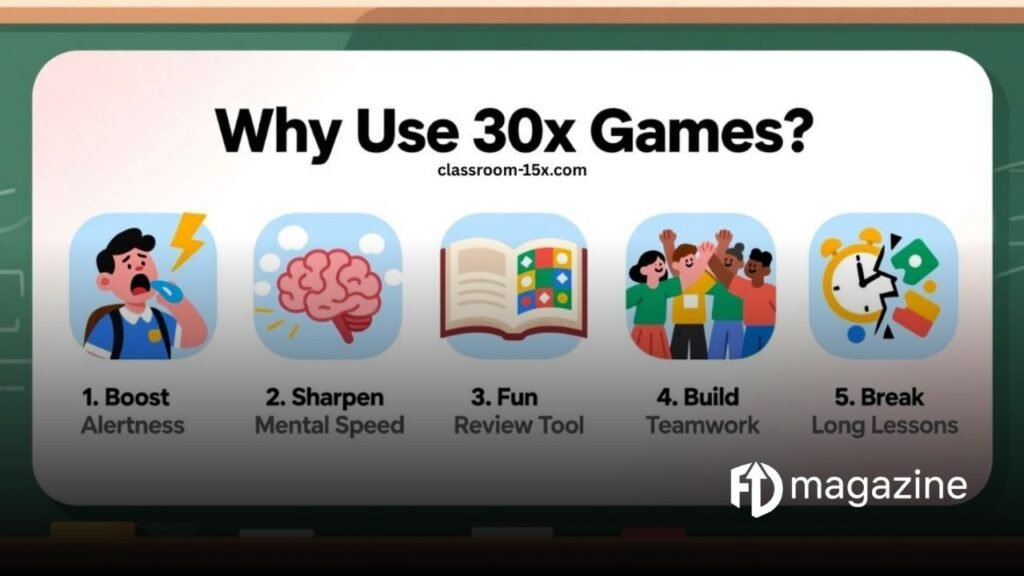
These platforms often feature puzzle games, logic challenges, reflex-based activities, and creative simulations. For example, puzzles encourage pattern recognition, while strategy games support planning skills. Additionally, physics-based games introduce cause-and-effect reasoning. Importantly, content typically avoids violence or mature themes. Therefore, game selection aligns with age-appropriate standards. This variety allows students to engage different cognitive skills during short sessions.
Benefits for Student Focus and Attention
Short interactive sessions can improve attention spans. After sustained academic tasks, mental fatigue reduces productivity. Consequently, brief engagement with simple games resets cognitive load. Moreover, students often return to lessons with renewed focus. However, timing matters. Games are most effective when scheduled intentionally. Therefore, educators use them strategically rather than spontaneously.
Social Interaction and Collaboration
Although many games are single-player, classrooms often encourage shared problem-solving. Students discuss strategies, observe peers, and exchange ideas. As a result, social learning occurs organically. Moreover, collaborative discussion enhances communication skills. Importantly, these interactions remain informal, reducing performance pressure. Therefore, social engagement becomes a secondary benefit of classroom gaming activities.
Classroom Management Considerations
Effective classroom management ensures games do not disrupt learning. Teachers set clear boundaries regarding duration and access. Additionally, rules prevent overuse or distraction. Consequently, students understand expectations. When managed well, games support structure rather than chaos. Therefore, classroom policies play a crucial role in successful implementation.
Role of Teachers in Guided Use
Teachers act as facilitators rather than passive observers. By selecting appropriate games and setting objectives, educators maintain educational value. Moreover, guided reflection helps students connect gameplay to cognitive skills. As a result, learning becomes intentional. Therefore, teacher involvement distinguishes productive use from mere entertainment.
Ethical and Safety Considerations
Safety remains a priority in digital classrooms. Platforms used should avoid data collection and intrusive ads. Additionally, content moderation ensures age-appropriate material. Schools often rely on vetted sources to minimize risk. Therefore, ethical considerations guide platform selection and usage policies.
Addressing Concerns About Distraction
Some critics worry that games distract from learning. However, research suggests controlled use enhances engagement. The key factor is moderation. Without structure, distraction increases. Therefore, balance determines effectiveness. Clear objectives and time limits address common concerns.
Impact on Motivation and Classroom Culture
Positive classroom culture thrives on motivation and trust. Games can contribute by creating relaxed learning environments. When students feel supported, participation improves. Additionally, shared enjoyment strengthens teacher-student relationships. Therefore, classroom games influence culture beyond cognitive benefits.
Adaptability Across Age Groups
Although often associated with younger students, these games appeal across age ranges. Simpler logic challenges suit primary learners, while strategic games engage older students. Consequently, adaptability supports diverse classrooms. Teachers adjust complexity based on developmental stages.
Technology Literacy and Skill Development
Digital games also build basic technology literacy. Students navigate interfaces, manage controls, and troubleshoot minor issues. These skills support broader digital competence. Therefore, incidental learning occurs alongside gameplay.
Integration With Educational Goals
While not formal instruction, games can align indirectly with learning goals. For instance, logic games support mathematical reasoning. Additionally, simulation games reinforce cause-effect thinking. Therefore, thoughtful integration enhances relevance.
Parental Perspectives and Transparency
Parents often question digital activities. Transparency helps address concerns. When educators explain purpose and boundaries, trust increases. Moreover, parents appreciate balanced approaches. Therefore, communication supports acceptance.
Evaluating Effectiveness in the Classroom
Effectiveness depends on outcomes such as improved focus, engagement, and classroom morale. Teachers observe behavioral changes rather than test scores. Consequently, qualitative evaluation guides continued use.
Long-Term Role in Education
As education evolves, interactive tools will remain relevant. However, they will complement rather than replace instruction. Classroom games represent one element within a broader ecosystem. Therefore, their role remains supportive.
Digital Well-Being and Screen Time Balance
Screen time balance remains essential. Games should not extend beyond short intervals. Encouraging movement and offline activities maintains well-being. Therefore, moderation ensures healthy habits.
Future Trends in Classroom Gaming
Future platforms may integrate adaptive learning and analytics. However, simplicity remains valued. Lightweight, accessible games will continue serving classroom needs. Therefore, evolution will focus on balance rather than complexity.
Conclusion
Classroom 30x games occupy a specific niche within modern education. They support engagement, focus, and cognitive refreshment when used responsibly. Rather than serving as curriculum tools, they complement structured learning through controlled interaction. Educators play a central role in guiding use, ensuring balance, and maintaining educational priorities. Ultimately, these games contribute positively when aligned with pedagogical intent, ethical standards, and student well-being.
Frequently Asked Questions
Are classroom 30x games educational tools?
They support engagement but do not replace curriculum instruction.
Do these games require downloads?
Most run directly in web browsers without installation.
Are they suitable for all ages?
Yes, with appropriate selection and supervision.
Can games improve student focus?
Short, controlled sessions often enhance attention.
Do teachers control access?
Yes, educators typically manage timing and usage.
Are these platforms safe for schools?
Safety depends on content moderation and platform choice.
VISIT MORE: FD MAGAZINE