

The deep core muscles form the foundation of human movement, stability, and posture. Unlike surface-level abdominal muscles that primarily influence appearance, the deep core includes muscles such as the transverse abdominis, multifidus, pelvic floor, and diaphragm. Together, these muscles work continuously to stabilize the spine and pelvis during everyday activities. Moreover, they activate before limb movement, which helps protect the lower back and maintain balance. Therefore, understanding how these muscles function is essential for long-term physical health. As fitness science evolves, deep core workouts are increasingly recognized for their role in injury prevention, rehabilitation, and functional strength development rather than aesthetics alone.
Difference Between Surface Abs and Deep Core Function
Although surface abdominal muscles receive most attention in traditional fitness routines, they serve a different purpose than deep stabilizers. Surface muscles generate visible movement, such as crunching or twisting, while deeper muscles focus on control and endurance. Consequently, training only the outer abdominal layer may leave the spine vulnerable. In contrast, strengthening the inner core improves coordination between muscles and joints. Furthermore, deep muscle activation supports proper breathing mechanics and posture. As a result, balanced core training emphasizes internal stability before external power, which leads to safer and more effective physical performance.
Why Deep Core Strength Matters for Daily Life
Deep core strength affects far more than athletic performance. In daily life, it supports posture while sitting, standing, lifting, and walking. For example, poor activation of stabilizing muscles often leads to lower back pain or joint strain. Therefore, improving core control helps distribute forces evenly across the body. Additionally, individuals with strong deep cores often experience better balance and reduced fatigue during routine activities. Over time, these benefits contribute to improved mobility and long-term musculoskeletal health. As awareness increases, many health professionals now recommend targeted core stability exercises for people of all ages.
Scientific Principles Behind Core Stabilization
From a biomechanical perspective, core stabilization relies on anticipatory muscle activation. This means deep core muscles engage before movement occurs, preparing the body for load. Research shows that delayed activation can increase injury risk, particularly in the lumbar spine. Consequently, training methods now prioritize controlled engagement rather than maximal force. Moreover, neuromuscular coordination plays a crucial role in maintaining spinal alignment. Therefore, effective programs focus on slow, deliberate movements that reinforce motor control. This scientific understanding explains why deep core workouts emphasize precision and consistency instead of intensity alone.
The Role of Breathing in Core Activation
Breathing patterns strongly influence deep core engagement. The diaphragm works closely with the pelvic floor and transverse abdominis to regulate internal pressure. When breathing becomes shallow or irregular, core stability decreases. Therefore, controlled breathing enhances muscle coordination and spinal support. In practice, many core exercises integrate diaphragmatic breathing to improve effectiveness. Additionally, proper breathing reduces tension in the neck and shoulders. As a result, learning to synchronize breath with movement becomes a foundational skill in advanced core training and rehabilitation programs.
Deep Core Training Versus Traditional Ab Workouts
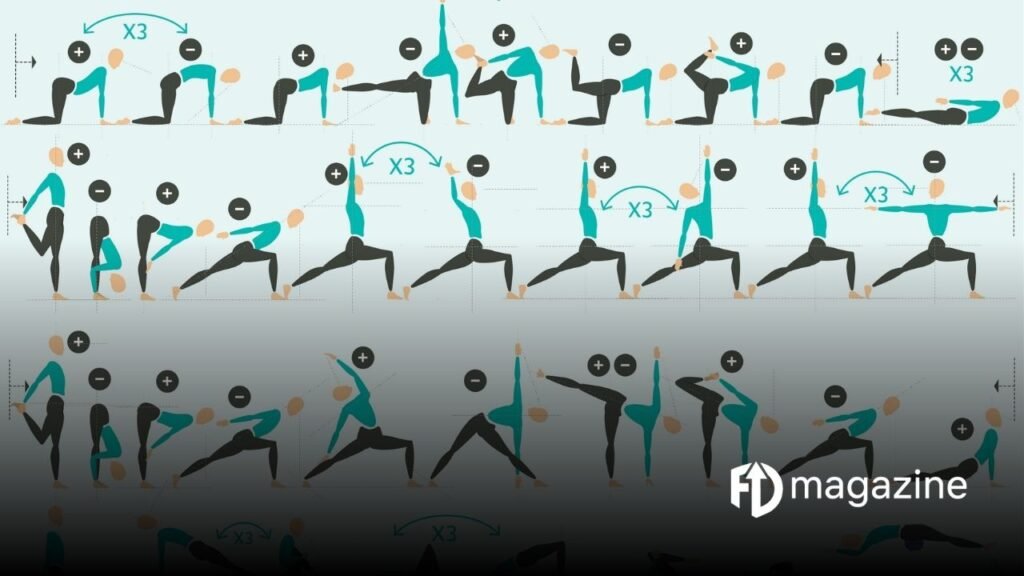
Traditional abdominal routines often emphasize repetition and fatigue, which mainly target superficial muscles. However, deep core training prioritizes endurance, alignment, and controlled activation. As a result, exercises may appear less intense but deliver greater functional benefits. Moreover, these workouts reduce unnecessary spinal compression. Therefore, replacing high-impact movements with stabilization-based exercises supports joint health. Over time, individuals often notice improved posture, reduced discomfort, and enhanced movement efficiency. This distinction highlights why fitness professionals increasingly shift focus toward internal core conditioning.
Benefits for Posture and Spinal Health
Postural alignment depends heavily on deep core muscle endurance. When stabilizers weaken, compensatory patterns emerge, often leading to discomfort. Consequently, strengthening these muscles helps maintain neutral spinal positioning. Furthermore, improved alignment reduces stress on discs and ligaments. As posture improves, breathing efficiency and energy levels often follow. Therefore, deep core workouts contribute to overall wellness beyond physical appearance. Many physical therapists now incorporate these exercises into treatment plans for chronic back issues and postural correction.
Injury Prevention and Rehabilitation Support
Deep core training plays a vital role in injury prevention. Stable joints experience less strain during movement, reducing the risk of acute and overuse injuries. Moreover, rehabilitation programs often prioritize core stabilization following spinal or hip injuries. Controlled activation restores neuromuscular function without excessive load. As healing progresses, these exercises support a safe return to activity. Therefore, deep core conditioning serves as both a preventive and corrective approach within modern healthcare and fitness systems.
Athletic Performance and Functional Movement
Athletes across disciplines benefit from enhanced core stability. Efficient force transfer between upper and lower body improves performance in running, lifting, and rotational sports. Additionally, improved balance and coordination reduce energy leaks during movement. Consequently, training the deep core enhances power output without increasing injury risk. As performance demands grow, athletes increasingly integrate stabilization exercises into conditioning routines. This shift reflects a broader understanding of movement efficiency rather than isolated muscle strength.
Core Stability Across Different Age Groups
Deep core strength is relevant across all age groups. For younger individuals, it supports motor development and injury prevention. For adults, it enhances posture and movement efficiency. Meanwhile, older adults benefit from improved balance and fall prevention. Therefore, these exercises adapt well to varying fitness levels. With proper guidance, individuals can safely engage in core stabilization regardless of age. This versatility explains why healthcare providers recommend deep core workouts throughout the lifespan.
Common Misconceptions About Core Training
Many people assume core training means visible abdominal definition. However, appearance does not always reflect functional strength. Additionally, some believe more intensity equals better results, which is often untrue for stabilization work. In reality, quality of movement matters more than quantity. Therefore, correcting misconceptions helps individuals train more effectively. Education remains essential for promoting safe and beneficial core conditioning practices.
Equipment-Free Core Conditioning
One advantage of deep core training is minimal equipment requirement. Many effective exercises rely on body awareness and controlled movement. This accessibility allows individuals to train at home or while traveling. Moreover, eliminating equipment reduces barriers to consistency. As a result, adherence improves, leading to better outcomes. Simplicity remains a key strength of stabilization-focused routines.
Integrating Core Work Into Full-Body Training
Rather than isolating core exercises, integrating them into full-body routines enhances efficiency. Compound movements often require core engagement for proper execution. Therefore, pairing stabilization with functional exercises improves overall coordination. Additionally, this integration supports real-world movement patterns. Over time, individuals experience improved strength transfer across muscle groups. This holistic approach reflects modern training philosophies focused on movement quality.
Safety Considerations and Proper Progression
Safety remains essential in any training program. Starting with basic activation exercises ensures proper muscle engagement. Gradually increasing complexity prevents compensation patterns. Moreover, listening to the body reduces injury risk. Therefore, progression should follow mastery rather than speed. Professional guidance can further enhance safety, especially for individuals with existing conditions.
Long-Term Consistency and Habit Formation
Sustainable results depend on consistency rather than intensity. Short, regular sessions often outperform sporadic high-effort workouts. Consequently, integrating core stabilization into daily routines improves adherence. Over time, small efforts accumulate into meaningful improvements. Habit formation supports long-term health outcomes and movement quality.
Conclusion
Deep core workouts represent a foundational element of functional fitness and long-term health. By focusing on stability, coordination, and controlled activation, these exercises support posture, injury prevention, and movement efficiency. Unlike superficial routines, deep core training emphasizes internal strength that translates to daily life and athletic performance. As scientific understanding advances, this approach continues to gain recognition across fitness, rehabilitation, and wellness disciplines. Ultimately, prioritizing core stability fosters resilience, balance, and sustainable physical well-being.
Frequently Asked Questions
Are deep core exercises suitable for beginners?
Yes, most programs start with basic activation techniques suitable for all levels.
How often should deep core training be performed?
Two to four sessions per week provide effective results when performed consistently.
Can deep core training reduce back pain?
In many cases, improved stabilization helps alleviate chronic discomfort.
Do deep core exercises require gym equipment?
No, most exercises rely on body control rather than machines.
How long before results become noticeable?
Functional improvements often appear within a few weeks of consistent practice.
Are these exercises beneficial for athletes?
Yes, enhanced stability supports performance and injury prevention.
VISIT MORE: FD MAGAZINE