
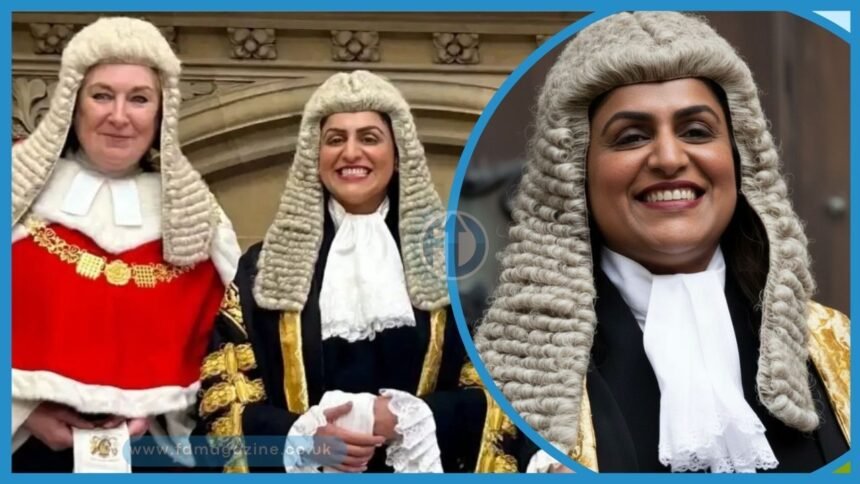
Shabana Mahmood immigration views have become central to UK policy discussions. As a senior Labour MP, she regularly advocates fairness, transparency, and accountability in the immigration system. Recently, the UK government implemented significant reforms. Consequently, these changes sparked public debate and media attention. Shabana Mahmood immigration response focuses on protecting vulnerable migrants while balancing security and legal compliance. This article provides a detailed analysis of the latest UK immigration policy update, Mahmood’s stance, its effects on migrants and families, and broader political implications.
Quick Bio
| Detail | Information |
|---|---|
| Full Name | Shabana Fola Mahmood |
| Date of Birth | January 23, 1976 |
| Age | 49 (2025) |
| Nationality | British |
| Profession | Politician |
| Party | Labour Party |
| Constituency | Birmingham Ladywood |
| Known For | Immigration & Social Policy |
What Is the Latest UK Immigration Policy Update?
The UK government has introduced stricter immigration measures to streamline processing and strengthen border control. As a result, asylum claim processing timelines have shortened, while skilled worker visa thresholds have increased. At the same time, family visa conditions became stricter, particularly regarding income requirements. Supporters argue these reforms improve efficiency and prevent misuse of the system. However, critics caution that rushed implementation may cause unfair treatment. Mahmood stresses that immigration reform must balance speed with accuracy to avoid harming those relying on legal migration routes. Therefore, the latest policies are both impactful and controversial.
Why Immigration Reform Is a Central Political Issue
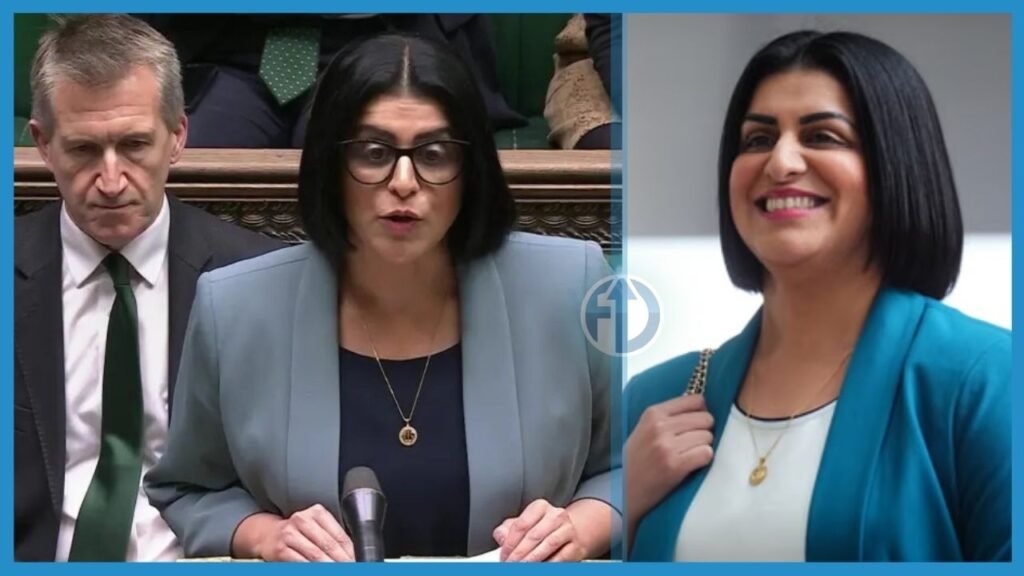
Immigration policy influences employment, housing, and public services, directly affecting millions of residents. Meanwhile, global conflicts and economic disparities have increased asylum applications. At the same time, the UK faces labor shortages in key sectors, including healthcare and agriculture. Because of these pressures, immigration reform generates intense political debate. While some voters prioritize strict border control, others emphasize humanitarian responsibility. Mahmood consistently advocates for balanced policies, ensuring security while protecting rights and dignity for all migrants. Her perspective demonstrates how political, economic, and ethical considerations intersect in immigration debates.
Shabana Mahmood’s Position on Immigration Policy
Shabana Mahmood immigration supports immigration policies grounded in fairness, accountability, and human rights. While she acknowledges security concerns, she emphasizes legal safeguards to protect applicants from arbitrary decisions. Moreover, she stresses transparency as vital to maintaining public trust. In parliamentary sessions, Mahmood frequently highlights the UK’s obligations under international law. Additionally, she cautions against hastily implemented rules that risk unintended consequences. Mahmood believes that effective immigration reform must protect vulnerable individuals while promoting economic stability. Consequently, her stance combines oversight, compassion, and long-term vision.
Asylum Seekers and the Latest Changes
The new asylum policies aim to speed up claims processing. However, the appeal system has become narrower, which may limit legal recourse for wrongly rejected applications. Mahmood argues that efficiency should never compromise justice. Furthermore, she emphasizes that wrongful refusals create long-term social and financial costs. Therefore, careful evaluation and procedural fairness remain essential to protect both the individual and the system. By highlighting human stories behind asylum claims, Mahmood reframes policy discussions from abstract statistics to lived experiences.
Skilled Worker Visas – Recent Adjustments
Recent adjustments to skilled worker visas have raised salary thresholds across multiple industries. As a result, many employers, especially in healthcare and technology, face recruitment challenges. While the government frames these changes as protecting the domestic workforce, critics argue that stricter thresholds may worsen existing labor shortages. Mahmood stresses that flexibility is key for maintaining economic growth and public service efficiency. Consequently, policies should ensure both domestic employment security and access to essential overseas talent. This approach balances economic needs with fairness to prospective workers.
Family Reunification and Visa Conditions
Family visa requirements now demand higher income proof, which has made it difficult for many families to reunite. As a result, some families face prolonged separation. Mahmood highlights the emotional and social harm caused by restrictive policies. Moreover, she stresses that family unity supports societal cohesion and stability. Therefore, she advocates for reassessing financial requirements to better reflect real-life conditions, ensuring that policies do not unfairly penalize law-abiding families seeking to live together in the UK.
Appeals Process and Legal Access
The appeals process has tightened, limiting opportunities for legal challenges. While this reduces court backlogs, it may undermine fairness. Mahmood emphasizes that access to justice is fundamental. Without proper review, mistakes in immigration decisions can create serious human consequences. Therefore, she supports efficient systems that also preserve legal oversight, ensuring applicants can defend their rights while maintaining overall procedural efficiency.
Public Reaction to Immigration Policy Changes
The public’s response to new immigration policies is divided. Some citizens welcome stronger border measures. Others fear the changes compromise humanitarian obligations. Advocacy organizations amplify the voices of migrants, drawing attention to challenges and unintended consequences. Mahmood actively engages with her constituents to address concerns. Consequently, her role bridges public perception and parliamentary policy, emphasizing that laws must be both fair and socially responsible.
Impact on Employers and the Economy
Migrant labor supports critical sectors like healthcare, agriculture, and technology. Therefore, immigration reforms directly affect productivity and service provision. Mahmood stresses that inflexible policies may harm economic growth and deter investment. Moreover, she emphasizes that evidence-based reform ensures both security and sustainable labor supply. Employers benefit from predictable regulations, while migrants can contribute effectively without excessive bureaucratic barriers.
International Students and Policy Effects

International students significantly contribute to the UK’s economy and cultural diversity. However, visa uncertainties can reduce enrollment, impacting universities and local economies. Mahmood warns that overly restrictive policies threaten long-term competitiveness. Therefore, she advocates for transparent, consistent rules and post-study work opportunities, ensuring that the UK remains attractive for global talent and educational excellence.
Regional Differences in Immigration Impact
Immigration policies affect regions differently. Urban areas often benefit economically, while smaller communities face service pressure. Mahmood acknowledges this complexity. Therefore, she supports region-specific approaches, ensuring that local economic and social contexts shape policy implementation, rather than applying uniform standards that may harm certain communities.
The Human Impact Behind the Policies
Every immigration decision affects real lives. Migrants seek safety, opportunity, or family reunion. Mahmood frequently references these personal stories to highlight the human side of policy. By doing so, she emphasizes empathy and fairness as essential elements of legislation. Consequently, human-focused policy design ensures that laws serve people effectively while maintaining systemic integrity.
What Comes Next in UK Immigration Policy?
Further reforms are under discussion in Parliament. Political parties continue shaping proposals while public consultations inform decision-making. Mahmood remains engaged in debates to ensure laws are lawful, fair, and humane. Ultimately, ongoing dialogue, monitoring, and adjustment are necessary to balance security, economic needs, and humanitarian obligations.
Conclusion
Shabana Mahmood immigration perspective highlights the balance between border security and humanitarian responsibility. While the government emphasizes control, Mahmood focuses on fairness, transparency, and protecting vulnerable populations. As reforms continue, informed discussion, empathy, and evidence-based policy remain essential. Her approach demonstrates that immigration laws must be practical, just, and responsive to both economic and social realities.
FAQs
What is Shabana Mahmood’s stance on immigration?
She supports fair, humane, and transparent immigration policies that protect vulnerable people while ensuring legal compliance.
What changed in the latest UK immigration update?
The UK tightened asylum rules, increased visa thresholds, and narrowed appeal processes to streamline administration.
How do family visas affect migrants now?
Higher income requirements make family reunification more difficult, potentially separating legal family units.
Why is immigration controversial in the UK?
Immigration affects jobs, public services, humanitarian obligations, and social cohesion, creating differing political and public opinions.
Will immigration policy change again soon?
Yes, further reforms are under discussion, and ongoing parliamentary debates may introduce additional adjustments.
VISIT MORE: FD MAGAZINE